
In my years in the classroom, I tried all sorts of different systems for keeping track of books that students were checking out from me. In the beginning, it was easy for me to just remember. And for the most part, I did know what each of my students was reading, because I had conversations and impromptu reading conferences with them all the time! But the problem came when students from previous years, or students’ friends who heard I had “good books”, or students sent to me by their teachers (!!) would come to check out books. I needed a system. I tried a binder. I tried a clipboard. I tried old school library cards (remember these?). I tried Classroom Organizer by Booksource. The fact is, no system was perfect. And it was just a given that I would lose a percentage of my books every year. I tried to be optimistic about it, and hoped the book was being passed from friend to friend, rather than suffocating under a bed or in the corner of a closet.
At Bibliopolis, however, I am determined to keep losing books to a minimum. Not so much because of the monetary loss, which I’m more than accustomed to, but because I want to prioritize teaching my patrons about citizenship and community membership through being responsible and accountable for their library books. (This was something I tried to instill in my previous students too, but going from 180+ students to about 30 makes it much more doable!)
After dreaming about one of those official computerized systems with scanners and online catalogs, which would be cool but would also put me out thousands of dollars, I have developed a system that is a combination of low and high technology.
First for the low: I present the official Bibliopolis binder. Patrons must put pen or pencil to paper (gasp!) to check-out their books. This is a challenge for some of our early readers, so thankfully, some of the middle school reading buddies help with this process!
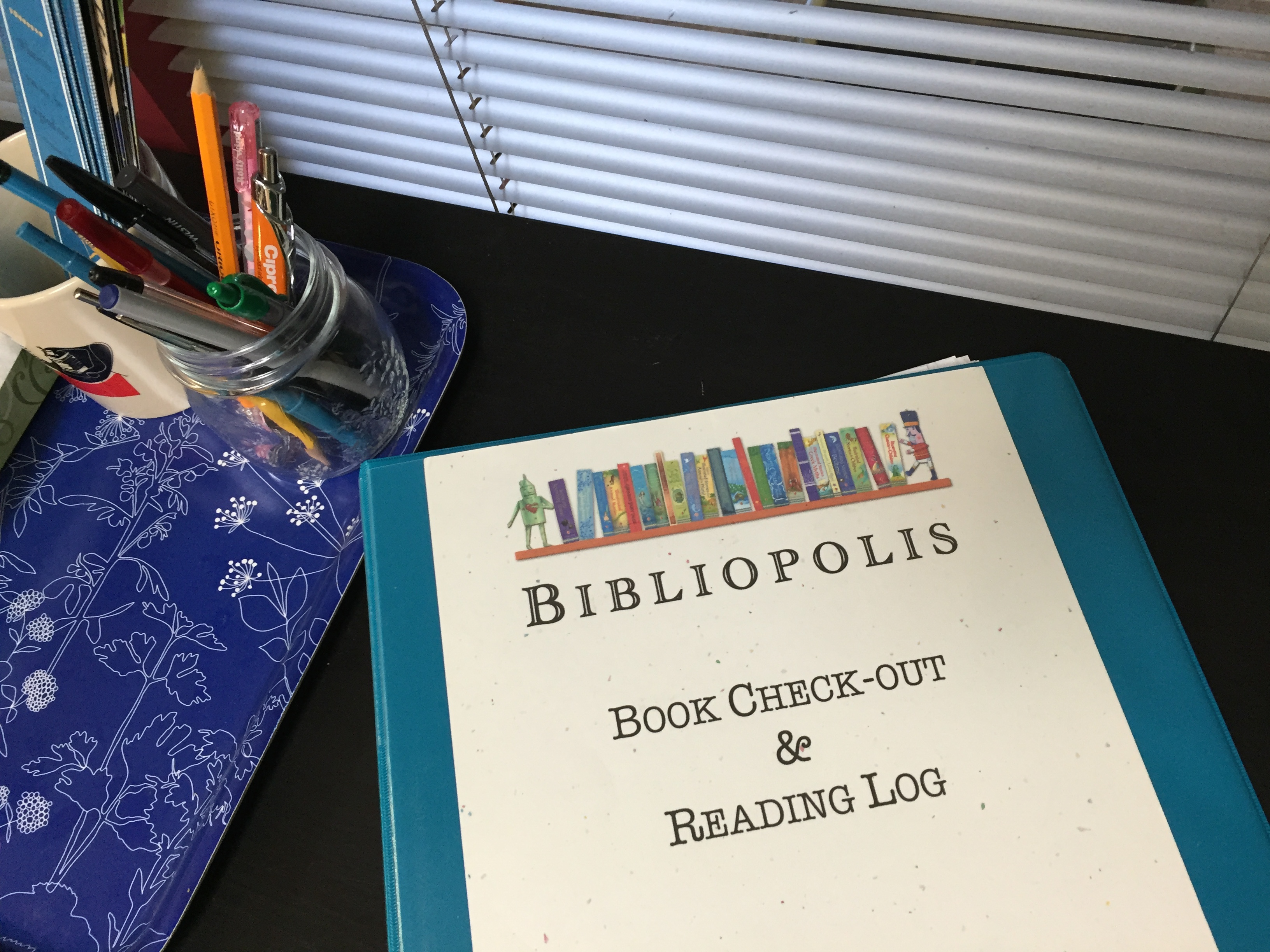
This is a binder. Yep, they still sell these.
Each library patron has a check-out page under a tab for their first name. The example I present to you belongs to Pauline K, who is very proud of the fact that she has checked out the most number of books in Bibliopolis’ (very short) history.
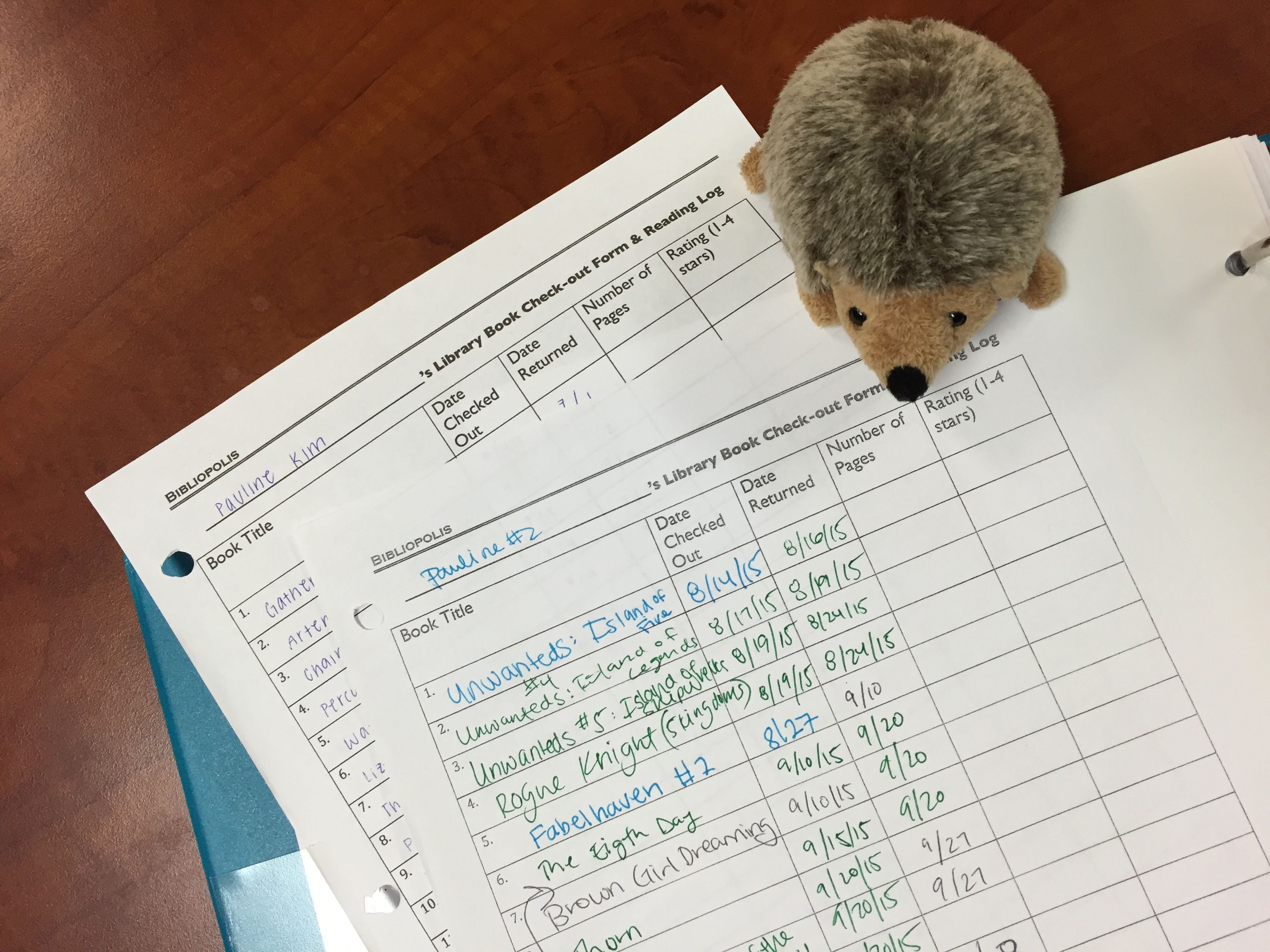
That’s Henry the Hedgehog. He has become our unofficial mascot. He’s a bibliophilus. (get it?) He approves of Pauline’s dedication to filling out forms properly so she doesn’t get fined!
Now for the “high tech” part. It’s not going so far as having a barcode scanner and computerized catalog and all, which would be awesome for when we have hundreds of patrons. For now, this will do.
I simply take a quick photo of each patron and his or her books. I email the photo to the patron, if they have an email address, as well as a parent, with a friendly note with their due date. Patrons have up to 3 weeks with up to 3 books at a time. As you’ll see, some take the opportunity to…strike a pose. While others choose to really highlight the book!
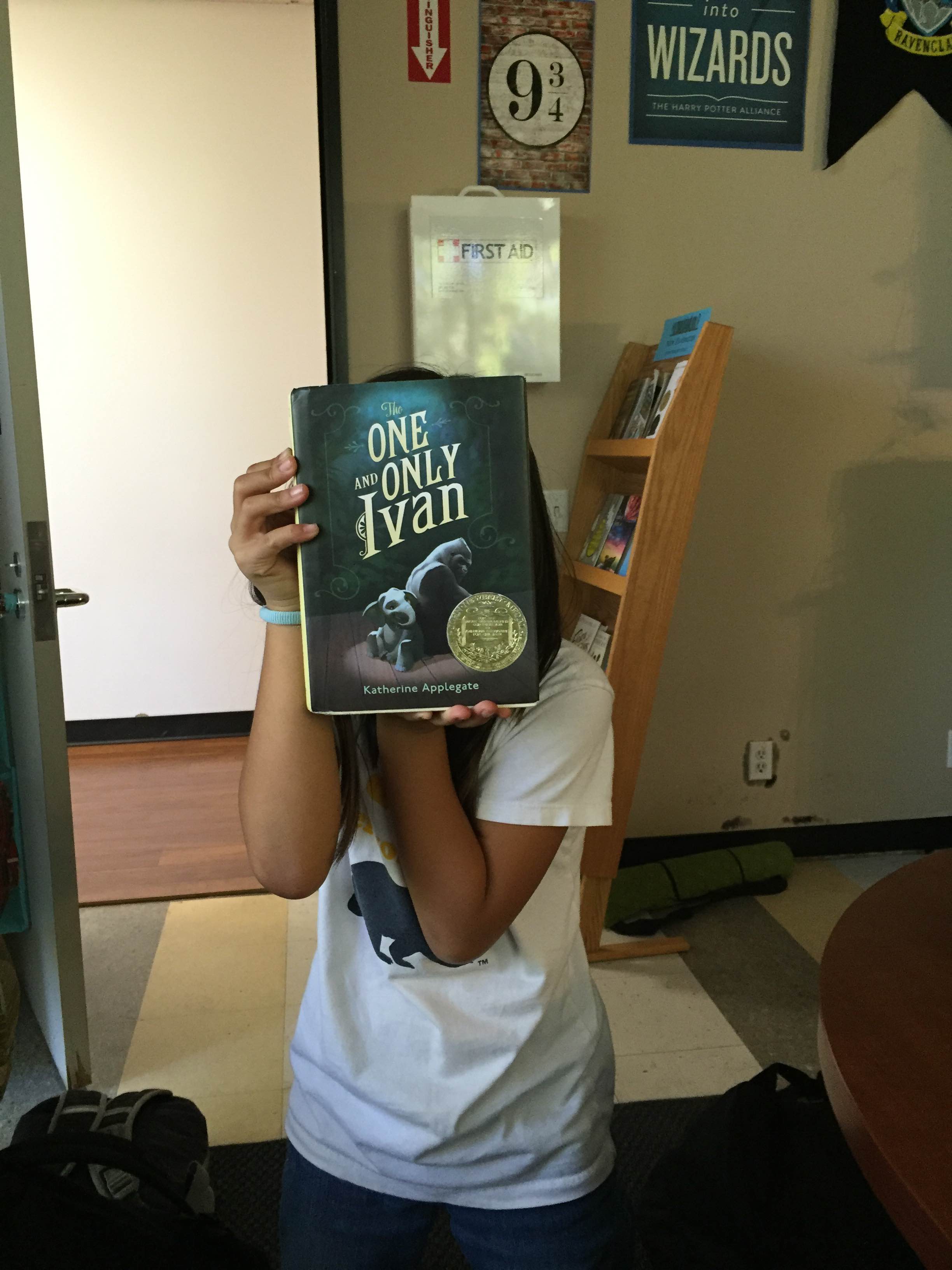
A good book. X is renewing it, in fact!
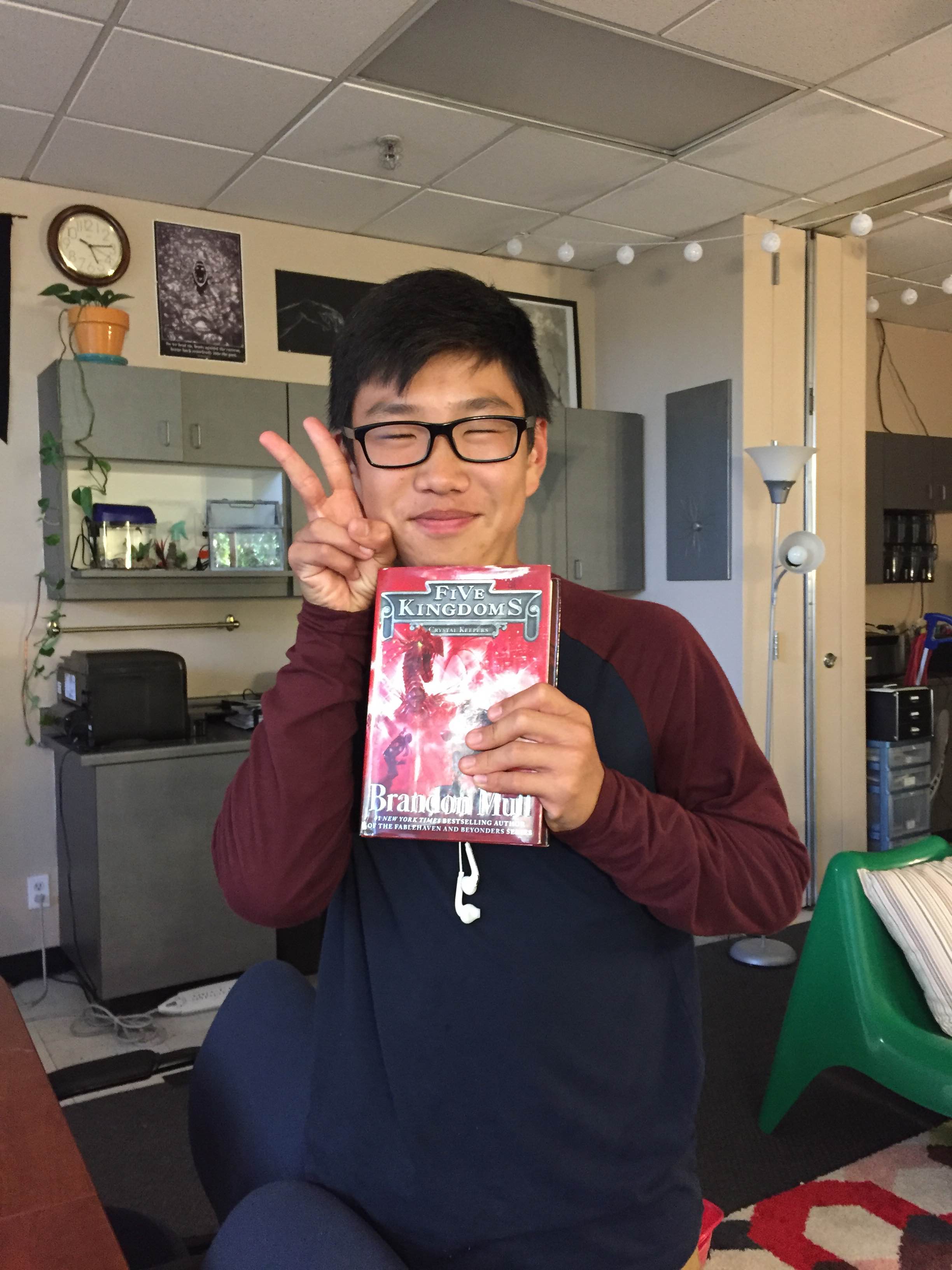
Also a good book. As you can tell by the ✌
There you have it. The photo helps the parents know what the books look like, so they can help hunt for them at home when the due date approaches!
For teachers with classroom libraries, what systems do you use, or have you used in the past? Do any of you use any systems for lending out books to your friends?! (Coming soon: how to borrow books from the new lending library shelves in the “grown ups library”)
 Acts2 Books