I’ve been so busy reading that I’ve once again neglected to post here. But recent conversations about The Hunger Games (hereafter referred to as THG) have prompted me to write this post.
It’s hard to believe almost ten years have passed since the first book in the popular dystopian trilogy was published. It’s safe to say THG sparked the glut of dystopian fiction that flooded especially the young adult literature market. We couldn’t escape, though I’m happy to report the craze has died down in the last couple of years.
Before you read on, I want to make clear that I love me some dystopian literature as much as anyone! There is something very powerful about the genre to cause people to consider the ways in which echoes of these dystopias might be in our current world, and to begin recognizing social structures, and so forth.
The dictionary defines “dystopian” as follows:
relating to or denoting an imagined place or state in which everything is unpleasant or bad, typically a totalitarian or environmentally degraded one.
The challenge with dystopian fiction for younger readers, however, is to build a world in which these unpleasant or bad consequences of a totalitarian state are explored in an age-appropriate way.
And here is my beef with THG. The target audience is 6th or 7th grade and up, but I disagree it is age-appropriate. Some teachers introduce the books as early as 5th grade, especially for reluctant readers, but I actually do not recommend the series at all (gasp!), for young and old alike. Why?
It is not just violent, but brutal. It is disturbing to read graphic descriptions of teens killing each other in hand-to-hand combat with all manner of weapons. Granted that is Suzanne Collins’ point — to disturb readers and to critique aspects of this bleak and twisted society. I get that she is not condoning this kind of violence. In fact, there is some “deep stuff” about government control through propaganda, about consumerist culture, media saturation, and about human nature.
However, most of the readers of the books do not have the framework to consider these deeper issues. They get engrossed with the plot because it appeals to 1) our sense of rooting for the underdog, 2) our baser attraction to drama and even violence (like how everyone runs towards not away from the fight at school), and 3) you and I know that half of the readers of the books got into the series because of the love triangle.
I don’t know how many students I had who said they hated the third book because it was “boring.” That’s because the focus was decidedly political and it is also the most violent of the three. I’m not naive and know you can’t avoid romantic business in young adult literature, but it goes beyond crushes and the Harry Potter level of stuff, and we’ll leave it at that.
So…what’s a teen to do?
Here are my recommendations. Read some of the books THG is borrowing from and inspired by. Some of the OG dystopians. The cool thing about this genre is that it’s timeless. In fact, some of the ones written long ago end up being even eerier, because you can see the ways in which we are actually like the futures the authors imagined. Yikes!
Four dystopian novels I recommend, from most recent to oldest:
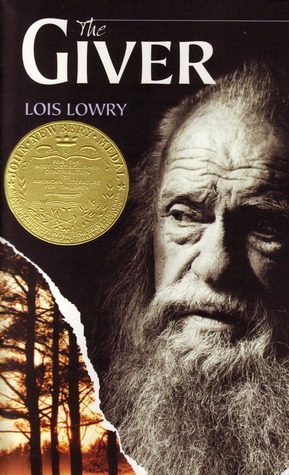
The Giver by Lois Lowry (1993).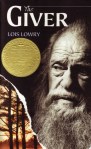 A lot of people don’t realize it is part of a quartet of books, so you can get the series fix. It is a great dystopian novel to start out with, dealing with issues of identity, and causing us to consider how we track people in our schools and society. Don’t watch the movie first…I’ve heard it is disappointing. (Recommended age: 6th grade and up.)
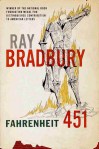
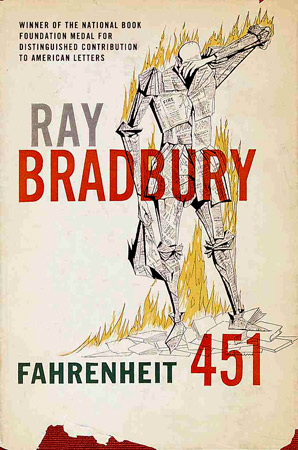
Fahrenheit 451 by Ray Bradbury (1953). One of my absolute favorite dystopian novels, and in my top 10 favorite overall books. It deals with censorship and with the power of knowledge, among other themes. Chances are you’ll be asked to read this at some point in middle or high school, but it is totally accessible and enjoyable of a read on your own. He wrote a bunch of other great short stories that get you thinking as well. (Recommended age: 8th grade and up.)
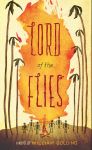
The Lord of the Flies by William Golding (1954). This is probably THE dystopian novel contemporary dystopian novels borrow from the most. (Being stuck on an island and trying to survive might also remind you of some shows.) It has the violence (though far less graphic than THG), memorable characters, and definitely a great book to discuss human nature and the different ways we tend to organize groups/societies. There are also a lot of biblical allusions, or references, so this makes for a favorite to teach symbolism. (Recommended age: 8th grade and up.)
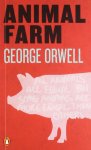
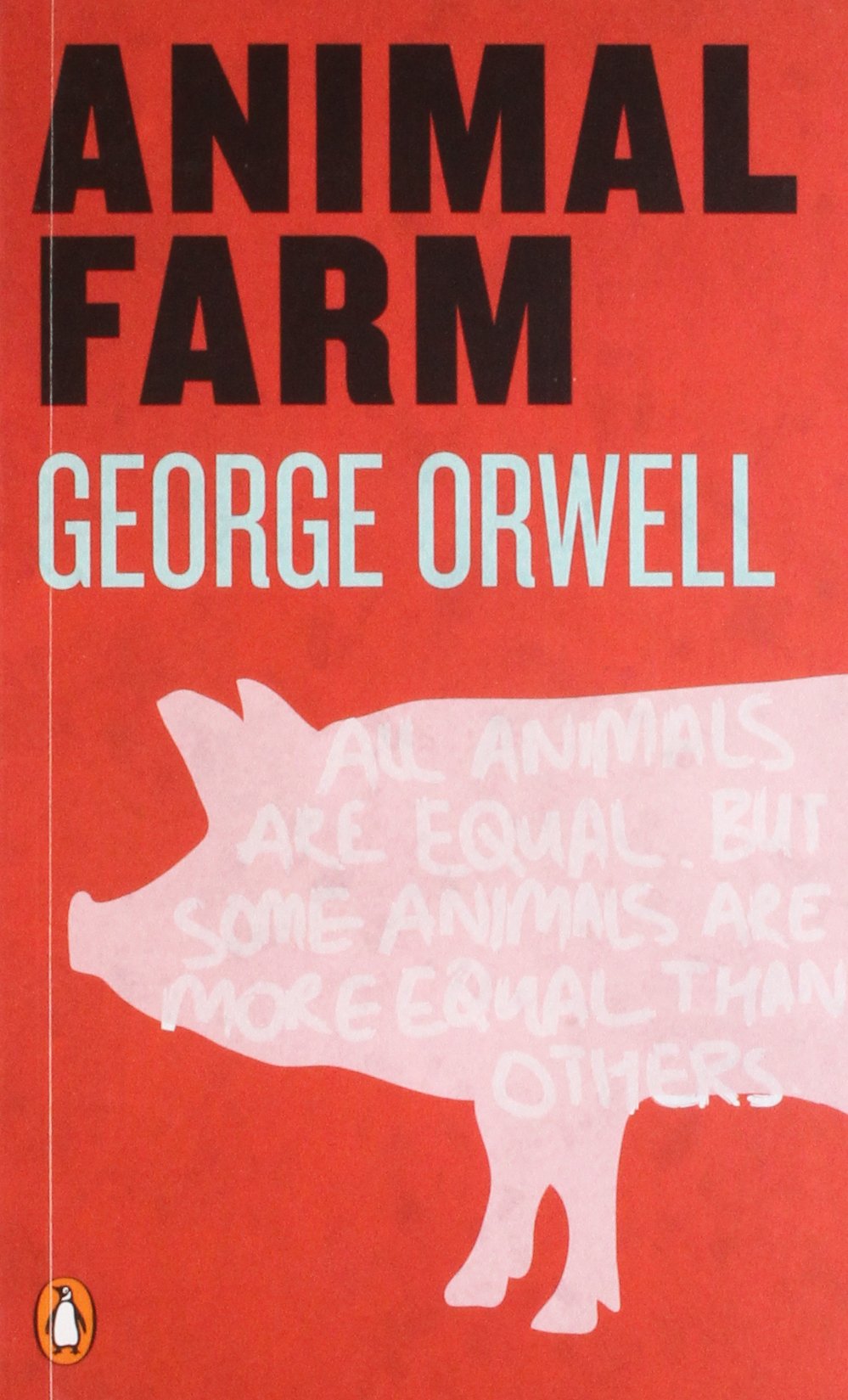
Animal Farm by George Orwell (1945). Another popular book read in English as well as History classes in school, Orwell uses what seems like a story about farm animals to critique Stalin, the dictator of the Soviet Union. People love this book because it is super SHORT! It is also relatively easy to understand, and hilarious in a eerie way. It’s definitely memorable. (Recommended age: 8th and up. But read it again in 10th grade, when you take World History!)
If you read these four, you’ll see that you’re not missing out by not reading THG.
What’s your take on THG and its age appropriateness or merit as a dystopian series? I would love to hear your thoughts about any of the books featured in this post.
Oh, and for a Suzanne Collins alternative, I recommend The Underland Chronicles, which has stronger characters, themes, and world-building. And is age-appropriate.
 It’s so challenging to distill an entire life into a couple hundred pages, but I love the way the author creates a thematic narrative thread to present the life of a Christian hero in one cohesive story. While it might leave out details, these books are a great starting point to learning about missionaries and other Christian workers, many of whom I had never heard of.
 Acts2 Books